
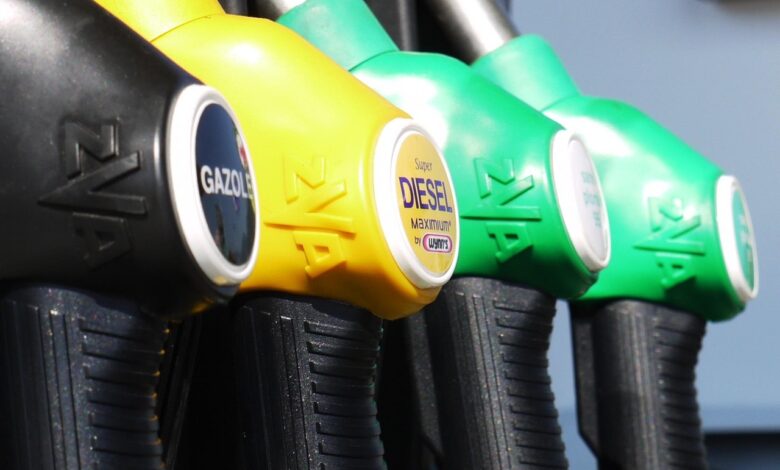
The surge in domestic fuel costs is directly linked to broader disruptions in global energy supply chains. According to reports, transportation issues in the Strait of Hormuz and the Bab el-Mandeb Strait, combined with attacks on Saudi Arabia’s East-West Pipeline, recently pushed the price of Brent crude oil above $100 per barrel. These geopolitical tensions have created a structural increase in supply costs that is now being transmitted to the European consumer, albeit with a typical market lag.
While diesel prices have hit record highs, the situation for gasoline presents a more complex picture. Data from the Federal Public Service Economy indicates that the maximum price for Euro95 gasoline in Belgium stands at 1.866 euros per liter. This figure reflects a recent cut of more than 9 cents, suggesting that the regulatory mechanism for gasoline prices has moved in the opposite direction to diesel, or that the specific timing of the reported data points differs. In contrast, the national advisory price for gasoline in the Netherlands dropped by more than 2 cents to 2.599 euros per liter. Consequently, the price gap between the two Benelux neighbors for gasoline has widened, with Belgian fuel now costing more than 70 cents less per liter than in the Netherlands.
For diesel, the divergence in price levels between Belgium and the Netherlands remains significant, though the direction of the spread has shifted over time. Earlier data indicated that Belgian diesel was substantially cheaper than Dutch diesel, with the Belgian maximum price at 2.211 euros per liter compared to the Dutch advisory price of 2.635 euros per liter. However, the most recent announcement of the €2.50 record high in Belgium narrows this gap considerably, bringing Belgian prices closer to Dutch levels. This convergence suggests that the recent spike in Belgian domestic prices is outpacing the more modest adjustments seen in the Netherlands, where price changes have been smaller in magnitude.
The regulatory environment in Belgium plays a crucial role in how these international market shocks are felt by consumers. Unlike markets where pump prices are set entirely by competition, Belgium implements maximum price caps for various fuel types, including B7 diesel, B10 diesel (which contains up to 10% biodiesel), and heating oil. The B10 diesel price also rose by 3.4 cents to €2.493 per liter. Meanwhile, prices for heating oil remain lower, at €1.6217 per liter for orders under 2,000 liters and €1.5812 for larger quantities. This tiered pricing structure highlights the different cost bases and demand elasticities for transport fuels versus heating fuels.
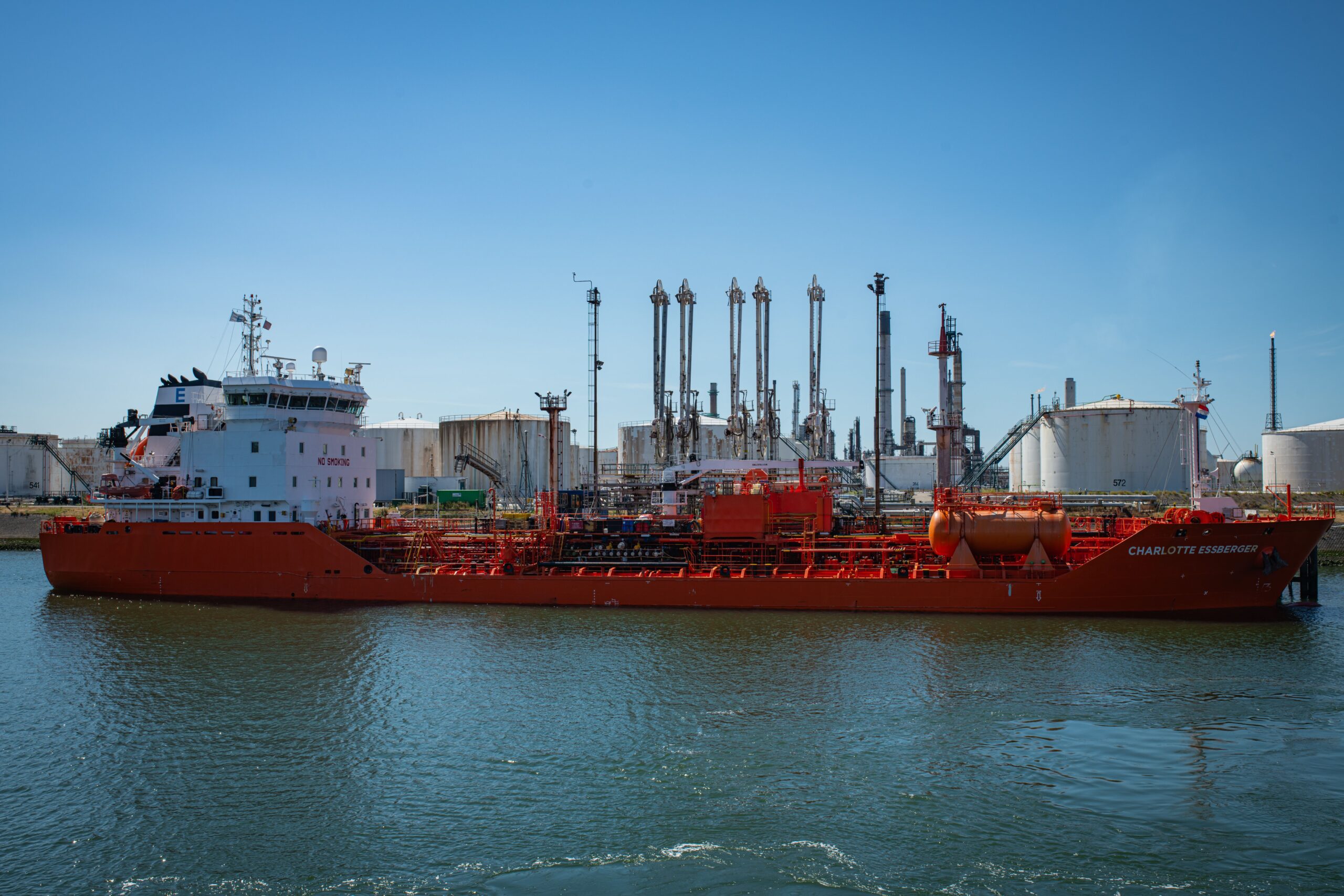
Global oil markets have exhibited significant volatility in recent weeks. Following a sharp drop in oil prices earlier in the period—triggered by U.S. President Donald Trump’s announcement that he was temporarily calling off a planned attack on Iran—prices rebounded. On one recent Tuesday, a barrel of crude oil rose by more than 2 percent to $85.68. However, the subsequent geopolitical incidents in the Middle East have reversed this trend, driving Brent crude back above the $100 mark. This whiplash in global benchmarks underscores the sensitivity of European fuel prices to external security risks, particularly those affecting critical maritime chokepoints and pipeline infrastructure.
For European consumers, the result is a higher cost of living for transportation and logistics. The delay between oil market movements and pump prices means that the full impact of the recent crude oil spike may still be unfolding. While the Belgian government has capped the maximum price to prevent unlimited increases, the record-high level of €2.50 per liter for diesel signals a sustained period of elevated energy costs. The coming weeks will determine whether further geopolitical escalations push prices higher or if a de-escalation leads to a correction in the underlying crude oil prices, thereby allowing for potential reductions in the regulated maximums.