
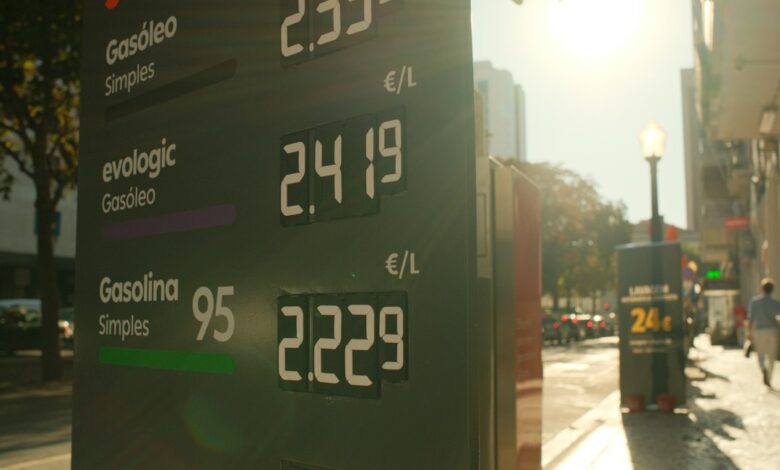
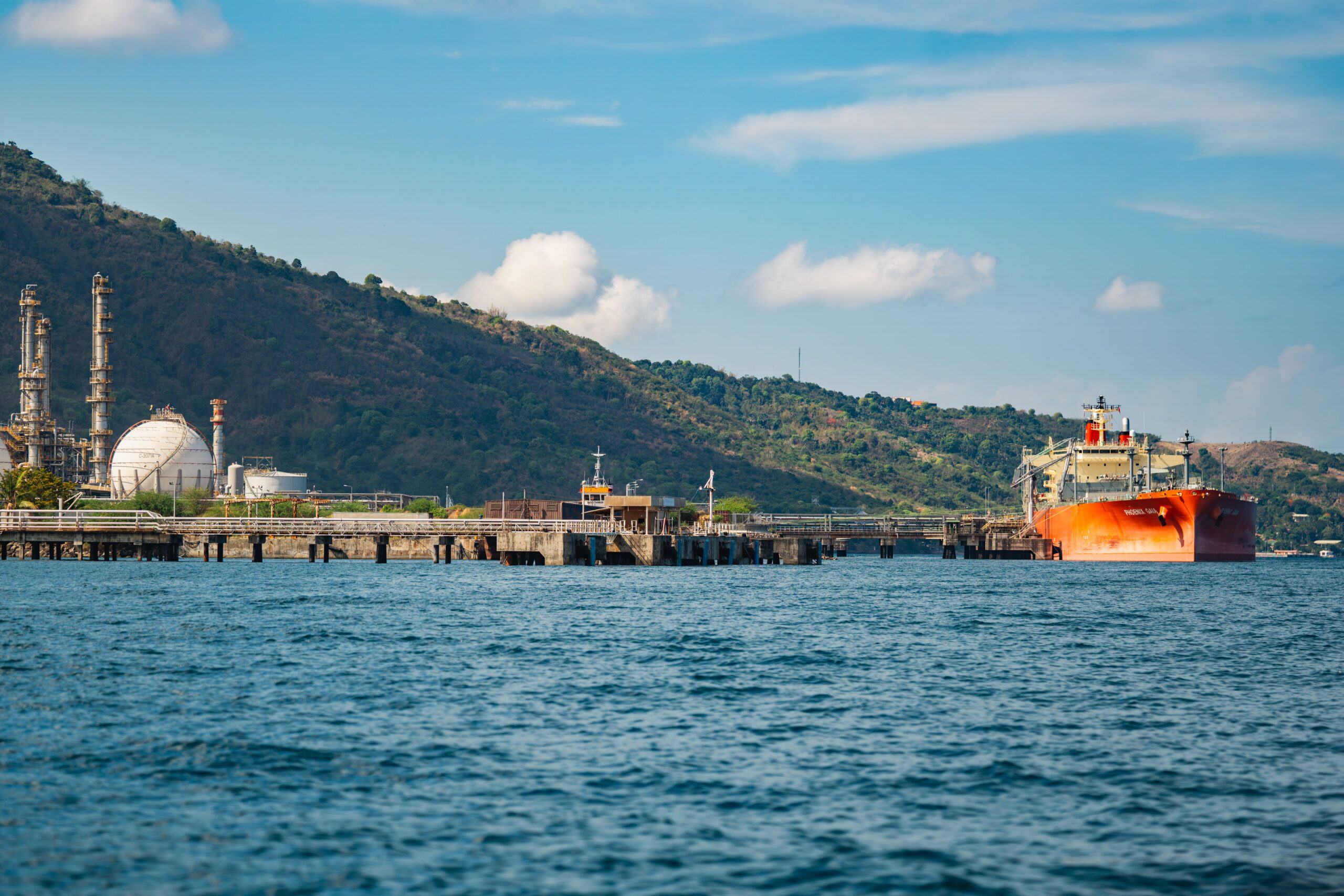
Ali’s frustration reflects a broader crisis unfolding across the Global South. The United States-Israeli war with Iran has sent tremors through the global economy, with developing economies in Asia, Africa, and the Middle East bearing the brunt of surging energy costs. The conflict has led to the closure of the Strait of Hormuz and attacks on oil and gas facilities across the Gulf. A fifth of the world’s oil supply previously transited this strait; its disruption has caused Brent crude futures to climb, reaching $97.07 a barrel by the latest reports, while US West Texas Intermediate (WTI) crude stood at $92.28. In the weeks leading up to the most recent hikes, Brent rose 7.8 percent and WTI gained nearly 10 percent as attacks resumed.
Pakistan, which imports approximately 80 percent of its energy from the Gulf, has been particularly vulnerable. The country’s Petroleum Minister, Pervez Malik, announced late Thursday that the price increases were “unavoidable” and “necessary” in line with global market trends. Diesel prices were increased overnight by 184.49 rupees (67 cents) per liter, a rise of about 54.9 percent. Petrol prices rose by 137 rupees (49 cents) per liter, following a 20 percent increase the previous month. These adjustments come after the government shifted its pricing mechanism from fortnightly to weekly reviews in February, and later to daily adjustments in July, as volatility persisted.
The economic implications are severe. Jabran Sarfraz, an economist in Karachi, warned that the immediate burden falls on consumers, disproportionately affecting lower-income groups. “Higher fuel prices will raise the cost of daily necessities,” Sarfraz said, noting that the duration of the impact depends on how quickly global prices ease. S Akbar Zaidi, executive director of the Institute of Business Administration in Karachi, described the overall shock as “quite severe,” though he noted it had not been fully passed on to consumers and industry. “I expect the next few weeks to make things far worse once the disruption and price factors pass through,” Zaidi added.
Government responses have varied in scope but share a common theme of fiscal strain. Earlier, Prime Minister Shehbaz Sharif had decided against a proposed hike before the Eid Al-Fitr celebration, stating the government would “bear the burden.” However, with reserves depleting, the government has been forced to act. In response to the latest surge, Interior Minister Mohsin Naqvi announced that public transport in Islamabad would be free for 30 days, with the ministry covering the fuel costs. This measure targets a critical demographic: motorcycles account for nearly 78 percent of all vehicles on the road in Pakistan, serving as the most affordable mode of commuting for many, such as Sher Khan, a food delivery rider in Peshawar who fears he cannot continue working if most of his income goes into fuel.
Pakistan is not alone in this vulnerability. Across the region, developing economies face a “double whammy” of heavy import dependence and limited financial firepower. Bangladesh, which imports about 95 percent of its oil, has seen petrol pumps in some districts run dry despite fuel rationing. Sri Lanka, importing 60 percent of its energy needs, has declared Wednesdays as public holidays and introduced mandatory fuel passes. In Egypt, one of the Middle East’s biggest energy importers, the government ordered malls and shops to close by 9 pm on weekdays to conserve energy, while implementing fuel price hikes of between 15 and 22 percent. President Abdel Fattah el-Sisi described these measures as necessary to avoid “harsher and more dangerous outcomes.”
Yeah Kim Leng, a professor of economics at Sunway University in Kuala Lumpur, noted that for many developing economies, especially those with fragile macroeconomic foundations, the result is a potent mix of inflation, currency pressures, and fiscal strains. “The hardest hit are net energy and food importers,” Leng said. As Pakistan pursues diplomatic efforts to ease tensions, including offering to host peace talks, the immediate reality for households remains one of rising costs and uncertain supply. The next few weeks will determine whether these temporary measures can stabilize the economy or if the shock will fully penetrate the consumer sector, further straining an already cash-strapped nation.


One Comment