
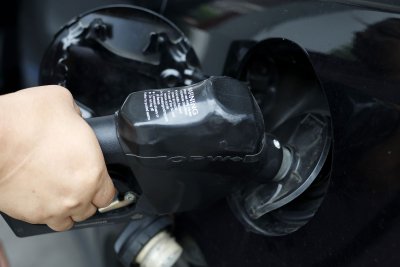
The energy market operates on a sensitive balance of physical supply and geopolitical expectation. When conflict in the Middle East escalates, particularly involving Iran—a major producer in the region—traders price in the potential for disruption to oil flows. This “war premium” increases the wholesale cost of crude, which in turn raises the price of refined products like gasoline at the retail level. The recent surge in prices was driven by this anticipation of continued hostilities. By suggesting that the conflict may be coming to an end, the President’s comment signaled to the market that the immediate risk of supply disruption was diminishing. Consequently, the speculative premium began to unwind, allowing prices to fall back toward levels seen before the conflict intensified.
The drop below $4 is a notable psychological and economic threshold for U.S. consumers. For the past several months, drivers have faced elevated costs that strained household budgets and impacted transportation-dependent industries. The decline offers measurable relief, though it remains above the lower price points observed in earlier years. The speed of this adjustment highlights the efficiency of financial markets in processing geopolitical news. Within hours of the statement, the anticipated end to strikes was reflected in lower trading prices, which then propagated through the supply chain to the retail pump.
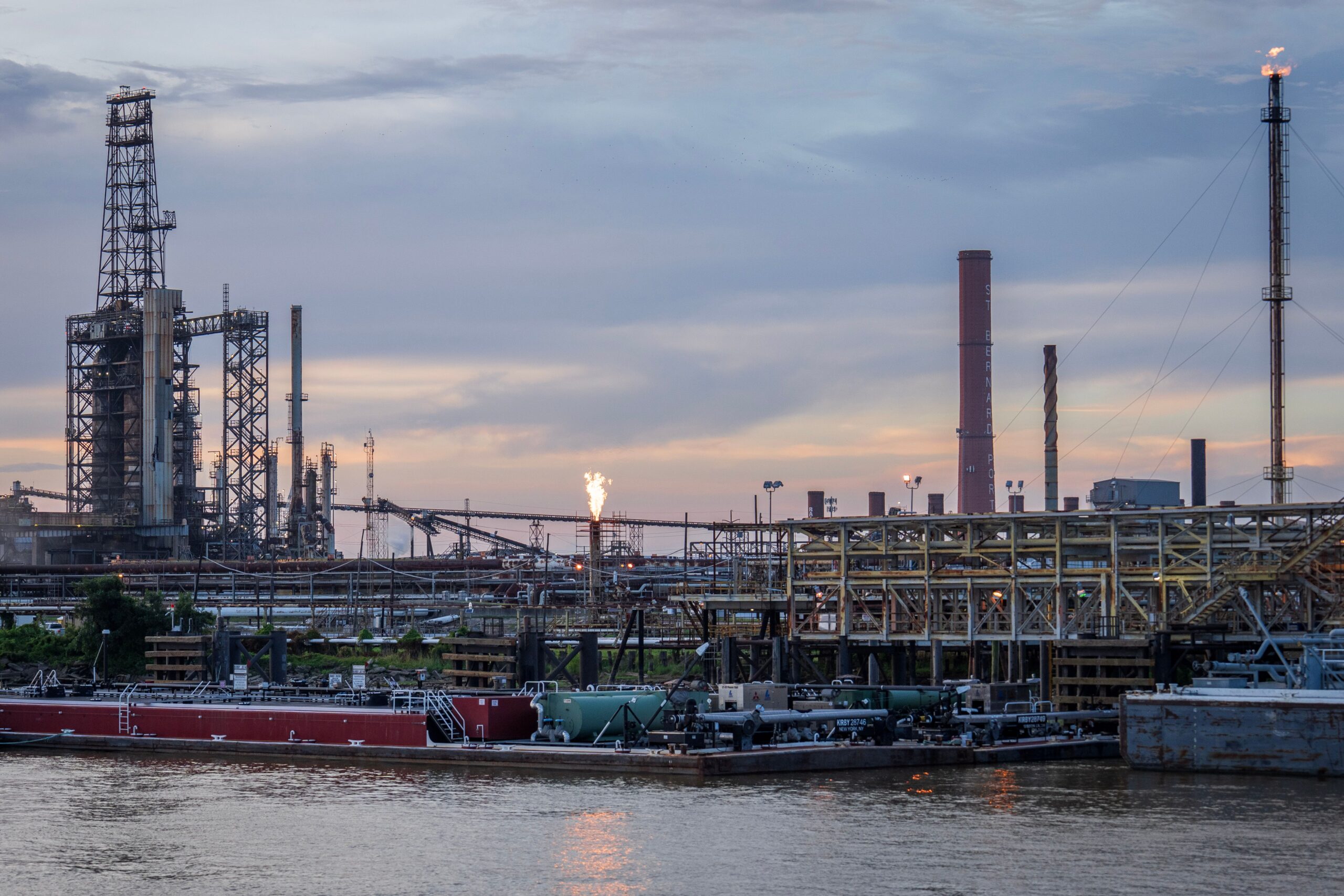
It is important to distinguish between the expectation of peace and the physical reality of the energy system. The statement that strikes are “highly unlikely” is a political forecast, not a confirmation of a formal ceasefire or a restoration of all diplomatic channels. Therefore, the price drop is a reaction to reduced uncertainty rather than a verification of long-term stability. Markets remain volatile, and a single reversal in policy or an unexpected incident could cause prices to spike again. The current price level is thus a reflection of the *anticipation* of an ending, not necessarily the *result* of one.
The broader significance of this development lies in the vulnerability of global energy prices to geopolitical shocks. Iran’s position in the global oil market means that any conflict involving the country carries the potential to affect supply chains worldwide. The recent price movements demonstrate how quickly financial instruments can hedge against or respond to such risks. For consumers, the drop below $4 provides temporary relief, but it also underscores the dependency of domestic fuel costs on international events. The energy system remains tightly coupled to global political dynamics, where a single statement from a world leader can shift the cost of living for millions.
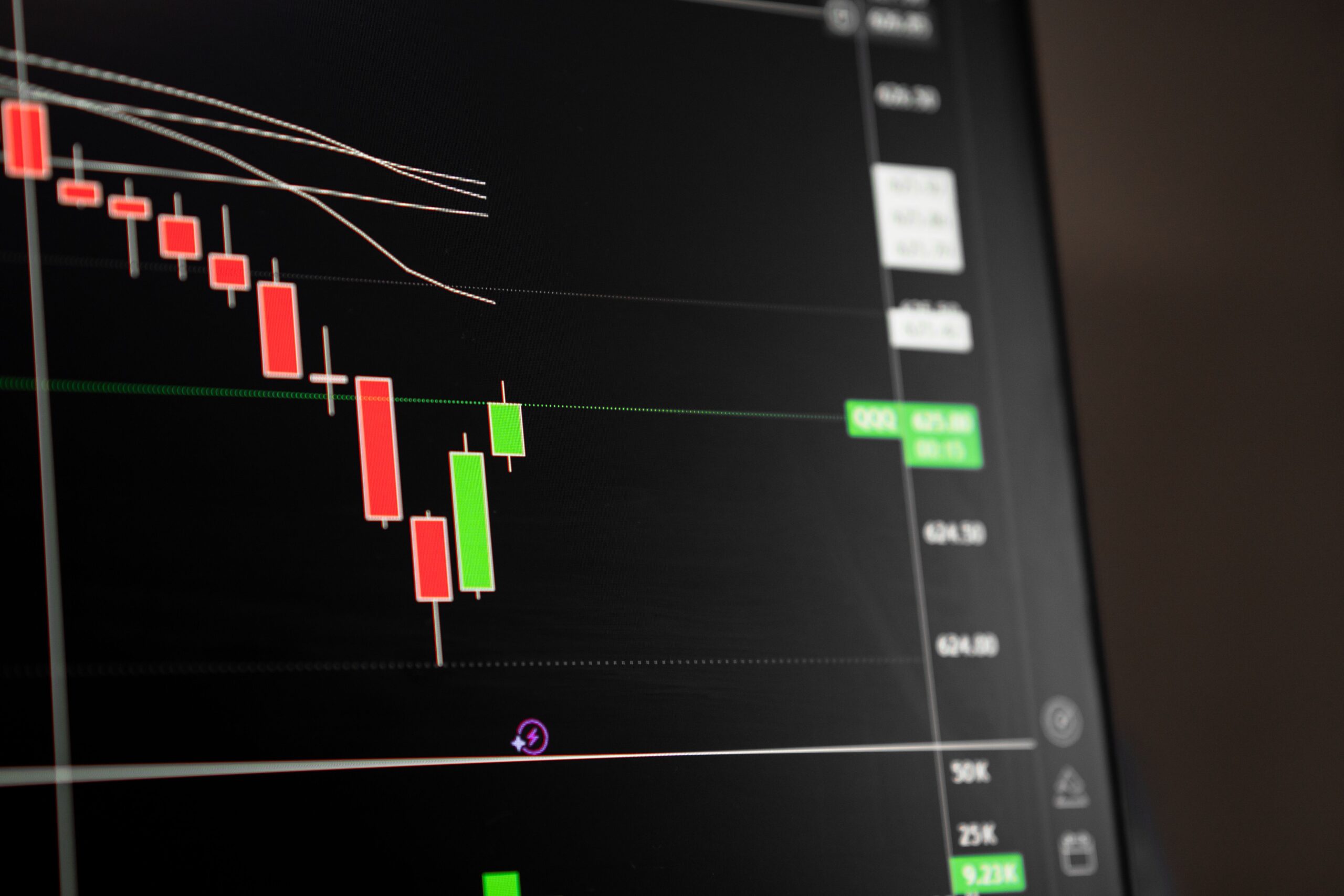
While the immediate effect is a reduction in pump prices, the underlying infrastructure and demand patterns that drove the initial price increase have not changed. Refineries are still operating at similar capacities, and global oil demand remains robust. The change is purely in the risk assessment. If the conflict does indeed subside, prices may stabilize at these lower levels. However, if the situation reverses, the “war premium” could return rapidly, pushing prices back above the $4 threshold. The market is currently in a state of cautious optimism, pricing in the possibility of de-escalation while remaining alert to any signs of renewed tension.
For now, the driver pulling up to the station sees a price tag that has dipped below the four-dollar line. This small numerical change is the external manifestation of a complex interplay between military policy, financial trading, and global energy security. The next few days will test the durability of this price drop, as the market waits to see if the political signal is matched by on-the-ground developments. Until then, the sub-$4 price point stands as a temporary reprieve, contingent on the continued unlikely nature of further strikes.





One Comment