The proposal was intended to circumvent the primary obstacle to a peace agreement: Russia’s demand that Ukraine surrender approximately 5,180 square kilometers (2,000 square miles) of territory in the eastern regions. By shifting the administrative map, the plan would have allowed the Kremlin to claim victory without requiring the withdrawal of Ukrainian troops from unoccupied areas. However, Kyiv insisted it will not recognize Russian occupation, either de facto or de jure. “Ukraine’s delegation never discussed any concessions on any territories which Russia occupies,” a Ukrainian source close to the negotiations told The Telegraph. “Ukraine will never recognise it, neither de facto nor de jure.”
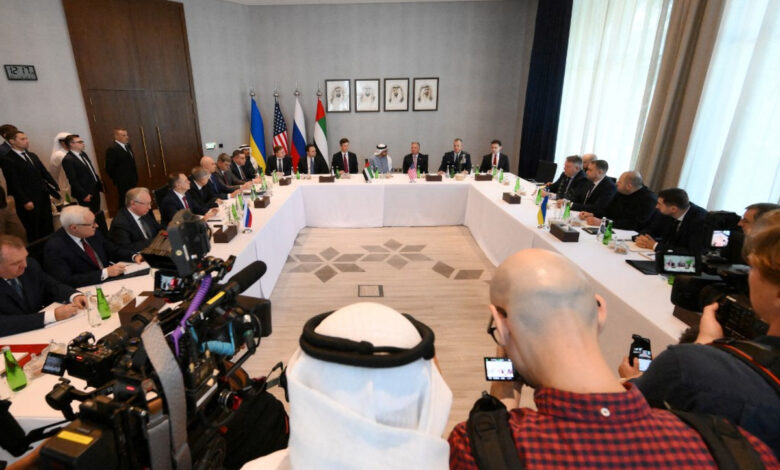
The first round of trilateral negotiations took place on Tuesday in Abu Dhabi, following a lengthy hiatus. The four-and-a-half-hour meeting focused primarily on humanitarian issues, including prisoner exchanges, and postwar security guarantees intended to prevent future Russian aggression. While The Telegraph reported the US formally put forward the border-redrawing idea, other Ukrainian sources, including one from the TSN channel, denied that such a proposal was officially included on the meeting’s agenda. Reports from The Economist and The Telegraph suggest the idea was being considered by US negotiators, but its formal status remains unverified.
Tensions remain high over the discrepancy between battlefield realities and diplomatic claims. President Volodymyr Zelensky, speaking in Copenhagen, accused Russian representatives of misleading Washington by claiming Moscow controls more of the Donbas than it actually does. Zelensky stated that Ukraine is not prepared to cede any part of the Donbas that Russia has not captured by military means. This contradicts earlier reports suggesting both Kyiv and Moscow had shown private flexibility on territorial issues, despite their sharply divergent public stances.
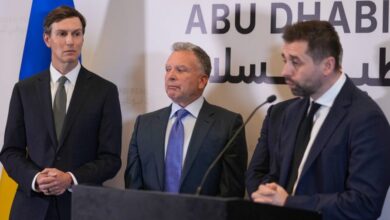
US officials, including Kushner, asserted that Washington believes Russian President Vladimir Putin is prepared to pursue peace under the right conditions. “The question we get asked most by the Europeans is: Are the Russians and President Putin really ready for peace?” Kushner said. “And from what Steve and I have heard from him, we can say very strongly we believe so under the right conditions.” However, Moscow’s demands, which include recognition of Russian claims to Crimea and four Ukrainian regions, remain fundamentally at odds with Kyiv’s position.
With the territorial impasse unresolved, the focus of the negotiations has shifted to the specifics of security guarantees. The prospect of further agreements depends on reaching a consensus on these issues, as well as the implementation of a ceasefire. The next expected development is the continuation of talks in Abu Dhabi, where negotiators will attempt to bridge the gap between US facilitation efforts and the rigid territorial positions held by both Kyiv and Moscow.