
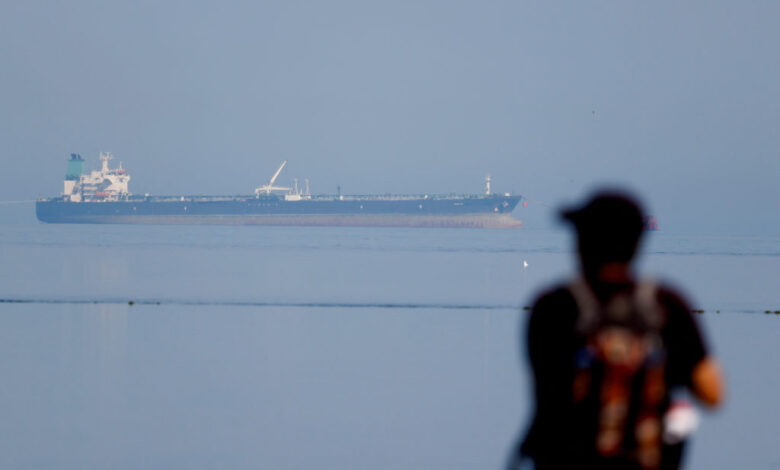
The decision follows a similar 30-day reprieve previously granted to refineries in India. Bessent stated the action is part of President Donald Trump’s “decisive steps to promote stability in global energy markets” and to “keep prices low.” He asserted that allowing the sale of this stranded Russian oil would provide no additional financial benefit to the Russian government, as the Kremlin already taxed the oil when it was extracted. However, Ukrainian President Volodymyr Zelenskyy disputed the impact on Russian war financing, stating the action “does not help peace” and could provide Russia with about $10 billion for weapons.
Kremlin spokesman Dmitry Peskov said the move would help stabilize global energy markets, noting it was impossible to do so “without significant volumes of Russian oil.” The context for this easing is a severe disruption in global supply chains. Fighting has choked off most tanker transport through the Strait of Hormuz, a chokepoint at the mouth of the Persian Gulf through which 20% of the world’s oil supply typically passes. This disruption has driven international benchmark Brent crude to new highs.
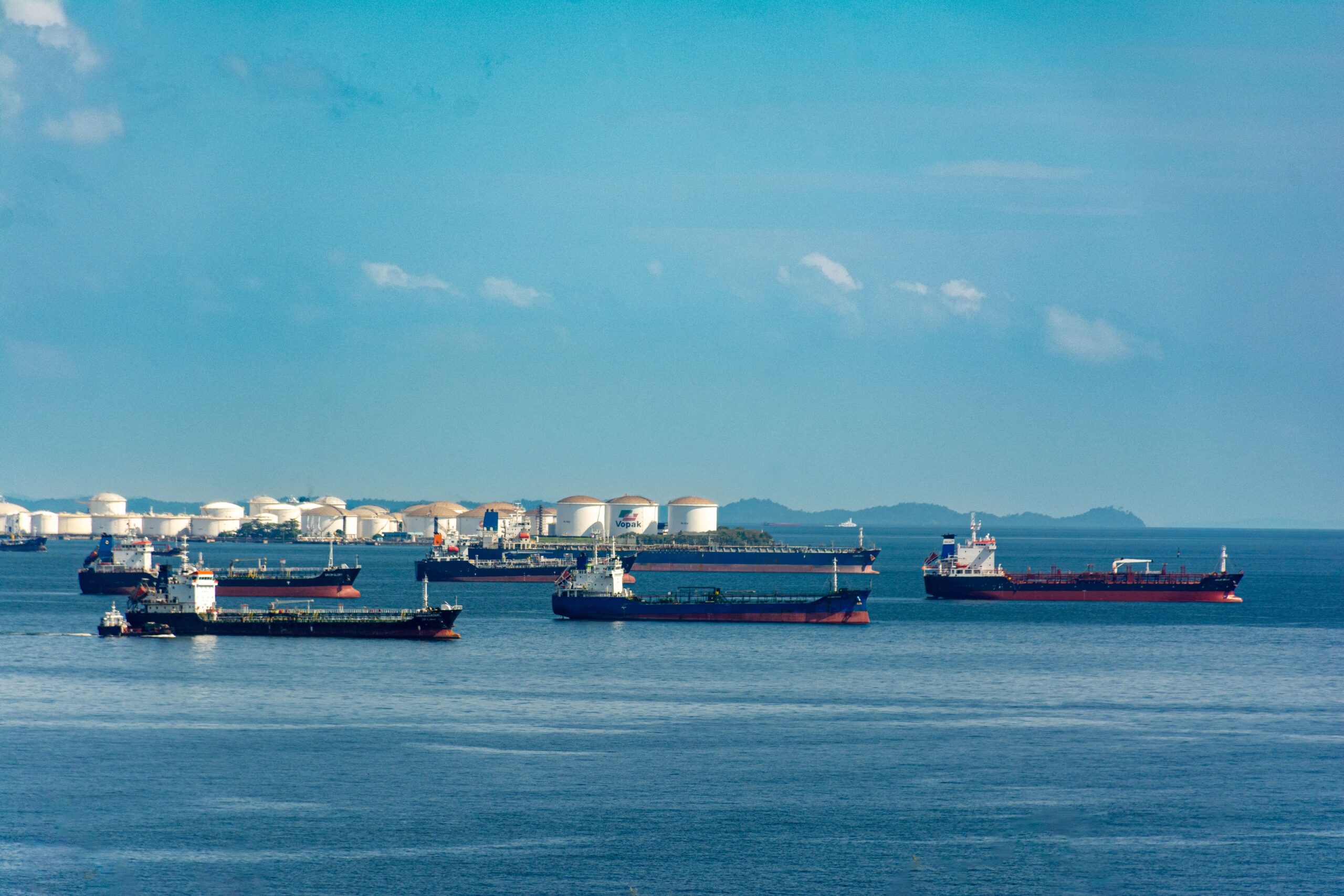
Despite the announcement, market stability remained elusive. Brent crude eased briefly after the news but soon reversed course, breaking through $100 to trade at $103.24 per barrel as of 18:00 GMT on Friday. This level remains significantly above the $72.87 per barrel traded on February 27, the eve of the war. The U.S. move comes amid a broader, coordinated sanctions regime targeting Russia’s energy sector. In October 2025, the U.S., UK, and EU implemented coordinated sanctions against Russia’s two largest oil companies, Rosneft and Lukoil.
These measures included placing both companies on the stringent U.S. SDN List and imposing full asset freezes in the UK, effective October 15, 2025. To mitigate immediate market disruption, the UK’s Office of Financial Sanctions Implementation (OFSI) issued general licenses allowing for a limited wind-down of transactions until November 28, 2025. Additionally, a specific license authorizes business operations involving certain German subsidiaries of Rosneft until at least October 2027 to preserve European fuel supplies. Analysts note that while sanctions aim to gradually reduce Russia’s oil and gas revenues without removing its volumes from global markets, the cumulative impact is beginning to erode the financial foundation of its war effort.
The next major operational milestone for the UK wind-down licenses is November 28, 2025, after which all dealings with Rosneft and Lukoil must cease unless further licensed. Payments owed under wind-down transactions must be made into frozen accounts, ensuring the sanctioned companies cannot access the funds.



2 Comments